Find extended range electric suv for Family, Touring, and Commuting
Source 30 verified extended range electric suv models from Chinese manufacturers. Buyers can compare battery capacity, charging times, and seating configurations for family, touring, and daily commuting needs.
Key considerations
Products List




$12000.00 - $27000.00
Moq: 1




Comprehensive Sourcing Guide
Strategic Sourcing Guide for Extended Range Electric SUVs
The global automotive market has witnessed a significant shift toward electrification, with extended range electric vehicles (EREVs) emerging as a critical bridge technology. These vehicles combine the environmental benefits of electric propulsion with the operational flexibility of an internal combustion engine generator, addressing range anxiety while maintaining zero tailpipe emissions during electric driving. For B2B procurement professionals, sourcing these vehicles requires a nuanced understanding of technical architectures, regulatory compliance, and supply chain dynamics. This guide provides a structured approach to evaluating extended range electric SUVs, focusing on the specific attributes observed in current market listings and the broader industry standards that govern this segment.
Technical Architecture and Performance Specifications
Understanding the technical underpinnings of an extended range electric SUV is the first step in any procurement strategy. Unlike pure battery electric vehicles (BEVs) or traditional hybrids, EREVs operate on a specific powertrain logic where the internal combustion engine acts solely as a generator to charge the battery or power the electric motor, rather than driving the wheels directly. This distinction is vital for buyers assessing operational efficiency and maintenance requirements.
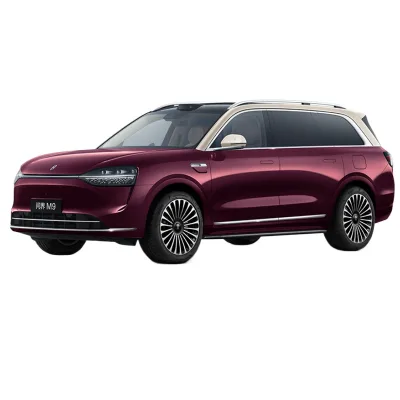
Market observations indicate a diverse range of specifications within this category. Some listings highlight a "Friday 500" model with a closed body type and a maximum speed of 180 km/h, while others reference the "Wenjie M9" with a CLTC combined range of 1400 km. The displacement figures vary significantly across different models, with some units listing ranges between 1000-1600CC and others between 2500-4000CC, suggesting that engine capacity is not a uniform metric for this vehicle class. Buyers must verify the specific engine configuration, such as the 1.5t 150HP L3 engine observed in certain listings, to ensure it aligns with the intended power delivery and fuel efficiency goals.
Battery technology is another critical variable. The observed data points to the use of Ternary Lithium Batteries and Trihydride Lithium variants. The charging capabilities also show substantial variation; some units boast a fast charge time of 0.75 hours, while others specify a DC fast charge duration of 30 minutes to reach 80% capacity. The battery capacity itself can range from 41.2 kWh in specific configurations to larger systems capable of supporting extended ranges. Procurement teams should prioritize verifying the battery chemistry and thermal management systems, as these directly impact longevity and safety in varying climate conditions.
Compliance, Certification, and Regulatory Standards
Navigating the regulatory landscape is essential for international procurement. The supply chain for these vehicles often originates from China, as indicated by product origin data, which necessitates a thorough review of export certifications and destination-specific compliance. The "CE" certification is a standard observation in the provided data, signifying conformity with health, safety, and environmental protection standards for products sold within the European Economic Area. However, buyers must confirm that this certification applies to the specific model and configuration being purchased, as certifications can be model-specific.
Management certifications, such as "ISO" and "TSS" (often associated with traffic safety standards), are also frequently cited. These certifications indicate that the manufacturer adheres to quality management systems and specific safety protocols. For instance, the presence of "ISO/TSS" alongside seating and steering configurations suggests a standardized approach to vehicle assembly and safety testing. Buyers should not assume that all listed products carry these certifications; instead, they must request valid certificates of conformity for the specific batch or model year.
Furthermore, the physical standards of the vehicles, such as the "100X50X20 cm" or "4770x1895x1689" dimensions, provide insight into the vehicle's footprint and packaging requirements. These dimensions are crucial for logistics planning, particularly when determining container loading efficiency. The "Standard Shipping Packing" and "Container Packaging" options observed in the data highlight the need for buyers to clarify packaging standards to prevent damage during transit. Ensuring that the vehicle meets the destination country's safety and emissions standards is a prerequisite for legal importation and registration.
Cost Drivers and Pricing Dynamics
The pricing landscape for extended range electric SUVs is characterized by a wide variance, reflecting differences in battery capacity, range, brand positioning, and included features. The observed price range spans from approximately $3,843 to $200,000 USD. This broad spectrum indicates that the market includes entry-level commercial units, mid-range family vehicles, and high-end luxury models. The lower end of the price range may correspond to vehicles with smaller battery capacities or fewer advanced features, while the higher end likely includes models with premium materials, advanced driver-assistance systems, and larger ranges.
Several factors drive these costs. Battery capacity is a primary determinant; a 41.2 kWh battery will inherently cost less than a larger pack capable of supporting a 1400 km range. Additionally, the complexity of the powertrain, such as the inclusion of a 1.5t engine versus a simpler electric-only setup, influences the manufacturing cost. The "Customization: Available" attribute suggests that buyers can tailor specifications, which may incur additional costs depending on the extent of the customization.
Minimum Order Quantities (MOQ) also play a significant role in the total cost of ownership. The observed MOQ range of 1 to 100 units allows for flexibility, enabling small fleet operators to purchase single units while larger organizations can leverage volume discounts. Buyers should negotiate based on the specific volume requirements and the customization level needed. It is important to note that the listed prices are observations and may not reflect the final landed cost, which includes shipping, insurance, tariffs, and local registration fees.
Typical Applications and Operational Use Cases
Extended range electric SUVs are versatile vehicles designed to meet a variety of operational needs. The data indicates that these vehicles are suitable for "Family Car" and "Touring Car" applications, highlighting their capacity for passenger comfort and long-distance travel. The "2021 Model Year, Range-Extended 6-Seater Version" example underscores the focus on passenger capacity and versatility, making them ideal for family transport or small group tours.
The "Road Conditions: Road" attribute suggests that these vehicles are optimized for paved surfaces, though the "Self-Supporting" body form implies a robust chassis capable of handling varied terrain. The "FWD" (Front-Wheel Drive) and "AWD" (All-Wheel Drive) options observed in the listings allow buyers to select a drivetrain based on local climate and road conditions. For instance, AWD models may be preferred in regions with heavy snow or rough terrain, while FWD models might suffice for urban and highway driving.
The braking systems, ranging from "Electromagnetic" to "Mechanical," also influence the choice of vehicle for specific applications. Electromagnetic braking systems often offer better integration with regenerative braking, enhancing energy efficiency in stop-and-go traffic. Mechanical systems, on the other hand, may be preferred for their simplicity and ease of maintenance in remote areas. Buyers should align the vehicle's usage profile with the specific operational demands of their fleet, considering factors such as average daily mileage, terrain, and passenger load.
Supplier Evaluation and Quality Assurance
Selecting the right supplier is a critical component of the procurement process. While specific supplier names should not be recommended, buyers can evaluate potential partners based on the consistency of their product data and the transparency of their certifications. The presence of detailed specifications, such as the "Friday 500" model or "Wenjie M9" with precise battery and range data, suggests a supplier with a mature product line. Conversely, inconsistent data, such as conflicting displacement figures or unclear certification status, may indicate a less reliable source.
Quality control measures should be a priority during the supplier evaluation phase. Buyers should inquire about the manufacturer's quality assurance processes, including testing protocols for battery safety, braking systems, and structural integrity. The "New" condition attribute is standard, but buyers should verify the production date and storage conditions to ensure the vehicles have not been compromised by prolonged storage. Additionally, the "Single Item" and "Container Packaging" options provide insight into the supplier's logistics capabilities, which can affect the delivery timeline and product condition upon arrival.
Long-Term Procurement Considerations and Maintenance
Sourcing extended range electric SUVs involves more than just the initial purchase; it requires a long-term view of maintenance, support, and lifecycle management. The "Gearbox" types, ranging from "Tiptronic" to "Automatic," and the "Signal: Rechargeable Type" attribute indicate the need for specialized maintenance and technical support. Buyers should ensure that the supplier offers comprehensive after-sales support, including access to spare parts, technical manuals, and training for maintenance personnel.
The "Slow Charge" and "Fast Charge" times are also relevant for long-term operational planning. A vehicle with a 15-hour slow charge time may require different charging infrastructure compared to one with a 0.45-hour fast charge capability. Buyers should assess their charging infrastructure to ensure it can support the fleet's charging needs without causing downtime. Furthermore, the "Fuel Tank Capacity" of 60 liters in some models highlights the importance of fuel logistics, as these vehicles still rely on gasoline for the range-extending generator.
In conclusion, sourcing extended range electric SUVs requires a balanced approach that considers technical specifications, regulatory compliance, cost dynamics, and long-term operational needs. By carefully evaluating the available data and verifying critical attributes, buyers can make informed decisions that align with their strategic objectives. The flexibility of the market, with its wide range of models and customization options, offers significant opportunities for organizations looking to modernize their fleets with efficient and versatile vehicles.
FAQs
What is the fast charge time for these vehicles?
Fast charge time is typically 0.75 hours or 30 minutes to reach 80% capacity depending on the model. Some units specify a fast charge duration of 0.45 hours, while others list a total fast charge time of 0.75 hours for the battery system.
Which battery types are available for these SUVs?
The available battery types include Ternary Lithium Battery and Trihydride Lithium variants. These batteries support the extended range capabilities observed in models like the Wenjie M9, which features a 41.2 kWh capacity in specific configurations.
Can I customize the specifications of these vehicles?
Yes, customization is available for many of the listed extended range electric SUVs. Buyers can tailor specific attributes such as seating configurations, exterior colors, and drive systems to meet their unique operational requirements.
What certifications do these vehicles typically hold?
Common certifications include CE for European conformity and ISO management certifications. Some listings also reference TSS standards, indicating adherence to specific safety and quality protocols required for international export and registration.
How long does slow charging take for these models?
Slow charging time ranges from 10 to 15 hours depending on the specific battery and charger configuration. Some data points indicate a total motor power of 100-150kW during this process, while others specify a 15-hour duration for full charging.
What is the maximum speed of these SUVs?
The maximum speed for these vehicles is observed to be 180 km/h. This performance metric applies to models like the Friday 500, ensuring they meet highway driving standards for extended range electric SUVs.